Blog The complete 2026 guide
Changing your name in the UK.
Any name, any reason, anywhere in the UK. What proof you need, how to make a deed poll, who to tell and what it costs, in plain English.
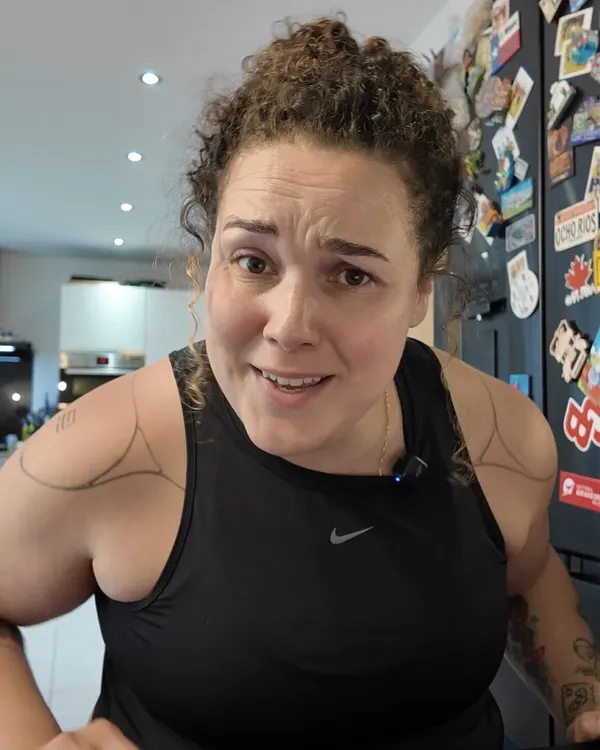
By Anna Akinyosoye, founder of My Name Changed. I've changed my name four times, so I've done all of this more than I'd like.
Updated October 2026 and checked against GOV.UK. Wherever a rule matters, I link to the official page.

The short version
- You don't need anyone's permission. In the UK you can change your name whenever you like, as long as it's not to commit fraud. What you need is proof that organisations will accept.
- There are two main kinds of proof. A marriage or civil partnership certificate, if you're taking your partner's surname or double-barrelling. For everything else, a deed poll.
- You can write your own deed poll for free if you're 16 or over. It's one page, signed in front of a witness. Enrolling it with the courts is optional, and most people don't.
- Then you tell everyone who has your name on file: the DVLA, HMRC, your bank, passport, GP, council, employer and the rest.
- Most of it's free. The big cost is a new passport: £102 online (October 2026). Scotland has its own extra option if you were born there.
New here? I'm Anna, and I run My Name Changed. This guide works whether you do it all yourself or not. If you'd rather not, you fill in one short form and I do the rest: I prepare your deed poll if you need one, and send your new name to the DVLA, HMRC, your council, GP and more. £45, one-off.
Do you need permission?
Nope. There's no form to apply for and nobody to say yes. The moment you start using a new name, it's your name. The catch is that the DVLA, HMRC, your bank and everyone else need to see proof before they'll update their records. That's what the rest of this guide is about.
-
Getting married
Taking your partner's surname, double-barrelling, or something new.
My marriage guide → -
Divorcing or separating
Going back to your old name, or starting fresh. With a deed poll, you don't need to wait for the divorce to finish.
Divorce and separation → -
Family reasons
Taking a parent's or grandparent's surname, honouring someone, or leaving a family name behind.
-
Being you
A new first name, dropping a middle name, transitioning, or just because. All good reasons.
What proof do you need?
For most people, it's one of two things: a marriage or civil partnership certificate, or a deed poll.
Your certificate only covers you if you're taking your partner's surname, or double-barrelling or combining both surnames. Blending names, making one up, moving a surname into your middle name, or changing your first or middle name all need a deed poll.
Going back to a name you had before, after a divorce or separation? You can often use the documents that link your names: usually your marriage certificate and your decree absolute or final order. Each organisation wants a slightly different mix, the passport office asks for the most, and you have to wait for the divorce to be final. A deed poll does the job on its own, and you can use it as soon as you've separated.
Picking a brand new name, rather than going back? That needs a deed poll.
Not sure which is you? Tick a few boxes and it'll tell you. More on proof →
Your marriage certificate. That's it.
Your marriage or civil partnership certificate is your proof of name change. Nothing else needed.
Lost it, or can't find it? That's okay. You can order a copy, or use a deed poll instead. It does the same job.
You'll need a deed poll.
A deed poll is one page saying you've stopped using your old name and started using your new one. You sign it in front of a witness, and it's your proof.
A deed poll is the simplest route.
Some organisations will accept your divorce papers, usually with your marriage and birth certificates. But they all want a different mix, which gets fiddly fast.
A deed poll works on its own, for an old name or a brand new one. You don't need to wait for your divorce to finish, and your ex doesn't need to sign anything.
Want me to sort the whole thing? One form, £45, deed poll included, and I tell everyone for you.
Your answer shows up here.
How a deed poll actually works
A deed poll is a single page that says you've given up your old name and you're using your new one for all purposes. That's it. No solicitor needed.
- You can write your own for free if you're 16 or over. GOV.UK has a template, or you can use mine. Make yours free here →
- Sign it in front of a witness. One is enough for the passport office. GOV.UK's template has space for two, and a second does no harm. Your witness needs to be 18 or over and signs it too, with their name and address. Some organisations won't accept a witness who lives with you or is a close relative, so pick a friend or neighbour.
- Sign with your old and new signatures. Both go on it.
- You can use it straight away. Once it's signed, it's your proof.
- Enrolling it is optional. An enrolled deed poll is put on public record by the High Court, and your new name is published in The Gazette. It's £53.05, you have to be 18 or over, and it can take several months. Most people don't bother. GOV.UK says some banks, mobile phone companies and energy suppliers may only accept an enrolled one, but it doesn't name any. The passport office accepts an unenrolled deed poll, and none of the deed polls I've prepared for customers has been turned down. If you're worried, ask them first.
If you change your name with me, your deed poll's included. I prepare it, it's printed on nicer paper with an embossed seal, and I post it to you to sign with your witness. Anyone can write their own for free, so I don't charge for it. What you're paying for is the telling-everyone bit.
Start my name changeWhat can you change it to?
Almost anything. You can change any part of your name, add or drop names, add or remove a hyphen, or change the spelling. But GOV.UK has a few rules for a deed poll.
- Fine Any name you can say out loud. It has to be pronounceable. Hyphens are fine, and so are established names with an apostrophe, like O'Hara.
- Not allowed Numbers, symbols and anything offensive. No numbers, symbols or punctuation, and nothing offensive or against the public interest. So, sadly, no "Ltd" on the end.
- Doesn't need one Your title or capital letters. A deed poll can't change your title (Mr, Mrs, Ms, Mx, Dr) or the capitals in your name. For your title, you just tell people which one you use.
Who to tell, and in what order
Everyone who has your name on file. Whether the order matters depends on your proof.
- Using a certificate? Any order you like. Start with whatever's easiest, or whatever's annoying you most.
- Using a deed poll? Do an easy one first. The passport office, and sometimes the DVLA, want to see you're already using your new name. So update your energy or water supplier, or your bank, first. Then you've got a bill or statement in your new name to send them.
- The usual list Start with the big ones. DVLA, HMRC, passport, bank, employer, GP, council tax, energy, water, electoral roll, TV Licensing and your State Pension.
Your passport and licence
These are the two people worry about most. I don't do passports yet, so that one's yours, but I've changed mine three times.
My passport tips →
Passport rules on GOV.UK →
My full DVLA guide →
DVLA rules on GOV.UK →
- Your passport doesn't have to change straight away. It stays valid in your old name until it runs out. Just book travel in the name that's on it.
- Apply online if you can. It's £102 online (October 2026), compared with £115.50 on paper, paid to HM Passport Office. Using your marriage or civil partnership certificate? That's all the proof you send. Using a deed poll? Send it with one document showing you already use the new name, like a bill or bank statement from the last 12 months.
- Your driving licence is free to change. If your photo needs renewing at the same time, that's the usual £17 photo renewal fee, and a lost licence is £20 (October 2026). It's all by post, and the DVLA wants your original proof, not a photocopy.
- Got a car? Your V5C log book needs updating too. The DVLA says you must.
The DVLA bit is the one people put off for months, so I do it for you. I get the right forms, fill them in, and post you a pack with your deed poll, envelopes addressed and stamped, and instructions that tell you exactly what goes where. You just follow them and post it.
Scotland, Wales and Northern Ireland
Most of this works the same across the UK. HMRC, the passport office and most organisations cover all four nations. A few differences:
- Scotland An extra option. If you were born or adopted in Scotland and you're 16 or over, you can record your new name with National Records of Scotland, which updates your birth record. It's optional, it goes on a public register, and there are limits on how many changes they'll record. Otherwise, people use a statutory declaration or a deed poll.
- Wales Same as England. The same rules, the same deed poll, the same DVLA.
- Northern Ireland A different licence office. If your driving licence was issued in Northern Ireland, you update it with the DVA, not the DVLA. For now, my service only covers DVLA licences, and I don't do rates with NI Direct yet.
What it costs
Most of it's free. Prices are from October 2026 and change, usually in April, so check GOV.UK before you pay.
| Deed poll | Free if you write your own |
|---|---|
| Enrolled deed poll (optional) | £53.05, paid to the High Court |
| Passport | £102 online, £115.50 paper |
| Driving licence and V5C | Free (£17 if your photo needs renewing, £20 if you've lost your licence) |
| Extra copy of your marriage certificate | £12.50 from the GRO in England and Wales |
| HMRC, council, GP, bank and the rest | Free |
Or let me do the boring bits.
Free doesn't mean quick. It's a lot of forms, emails and letters you keep meaning to post. So I'll do it for you.
You fill in one short form. I prepare your deed poll if you need one, and send your updates to the DVLA, HMRC, your council, GP, energy, water, electoral roll, TV Licensing and State Pension. £45, one-off, whether you pick one or all of them.
And it's literally just me. Not a big corporation, not a call centre. If you've got a question, you're talking to the person actually doing it.
Anna x
Questions about changing your name in the UK
Anything else? Email hello@mynamechanged.com or DM me on Instagram or TikTok. More answers on the FAQs page.
How do I legally change my name in the UK?
Start using your new name, then get proof that organisations will accept. For most people that's a marriage or civil partnership certificate, or a deed poll. Then tell everyone who has your name on file, like the DVLA, HMRC, your bank and the passport office.
Can I change my name without a deed poll?
Yes, if you're taking your partner's surname after marriage or civil partnership, or double-barrelling or combining both surnames. Your certificate is your proof. Going back to an old name after a divorce, you can often use your marriage certificate and decree absolute or final order. In Scotland, you can also use a statutory declaration, or record the change with National Records of Scotland if you were born there. Anything else needs a deed poll.
Is a deed poll legally binding?
A deed poll is a legal document that shows you've given up your old name and use your new one for all purposes. Once it's signed and witnessed, you can use it straight away, and most UK organisations accept it. GOV.UK says a few banks, mobile phone companies and energy suppliers may want an enrolled one, so ask first if you're worried.
Can I change my name if I live abroad?
GOV.UK says permanent residents overseas can't change their name by deed poll. If you live abroad, check the rules where you live, or ask the British embassy or consulate there.
Can I change my name for free?
Yes. You can write your own deed poll for free, and most organisations update your name for free. The main cost is a new passport, which is £102 online (October 2026), and you don't have to change it until it runs out.
Do I need a solicitor to change my name?
No. You can write and sign your own deed poll. It just needs to be signed in front of a witness aged 18 or over.
Do I need to enrol my deed poll?
No, it's optional. Enrolling puts your name change on public record with the High Court and in The Gazette, for £53.05. Most people don't. GOV.UK says some banks, mobile phone companies and energy suppliers may only accept an enrolled one, but it doesn't name any. The passport office accepts an unenrolled deed poll, so if you're worried about somewhere else, ask them first.
How long does it take to change your name?
A deed poll you make yourself works as soon as it's signed. After that, it depends on each organisation. Online updates can take days, the passport office says to allow three weeks, and an enrolled deed poll can take several months.
Does changing my name change my birth certificate?
Not in England, Wales or Northern Ireland. Your birth certificate stays as it is, and your deed poll or marriage certificate is the link between your old and new names. In Scotland, if you were born or adopted there, you can choose to record your new name with National Records of Scotland.
Can I change my name at 16 or 17?
You can make your own deed poll from 16, according to GOV.UK. You need to be 18 to enrol one. My service is for adults only, so you'd need to be 18 to use it.
Can I change my child's name?
It's possible, but it's a different process, and usually everyone with parental responsibility needs to agree. I don't do children's name changes, I'm afraid. GOV.UK on changing a child's name →
Can I change my name back?
Yes. You can change it again whenever you want, the same way: make a new deed poll and tell everyone. I've changed mine four times.
What's the difference between a deed poll and a statutory declaration?
Both are formal statements that you've changed your name. A statutory declaration is signed in front of someone like a solicitor, notary public or justice of the peace. They're most common in Scotland. In England, Wales and Northern Ireland, most people use a deed poll.